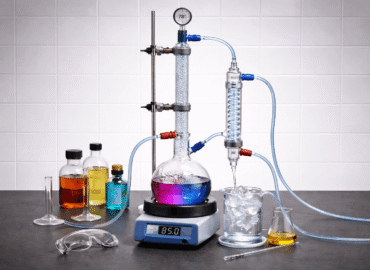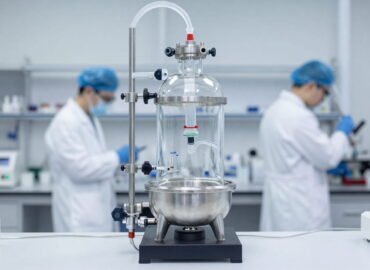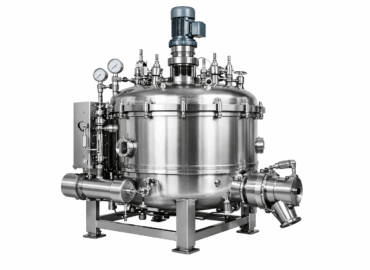
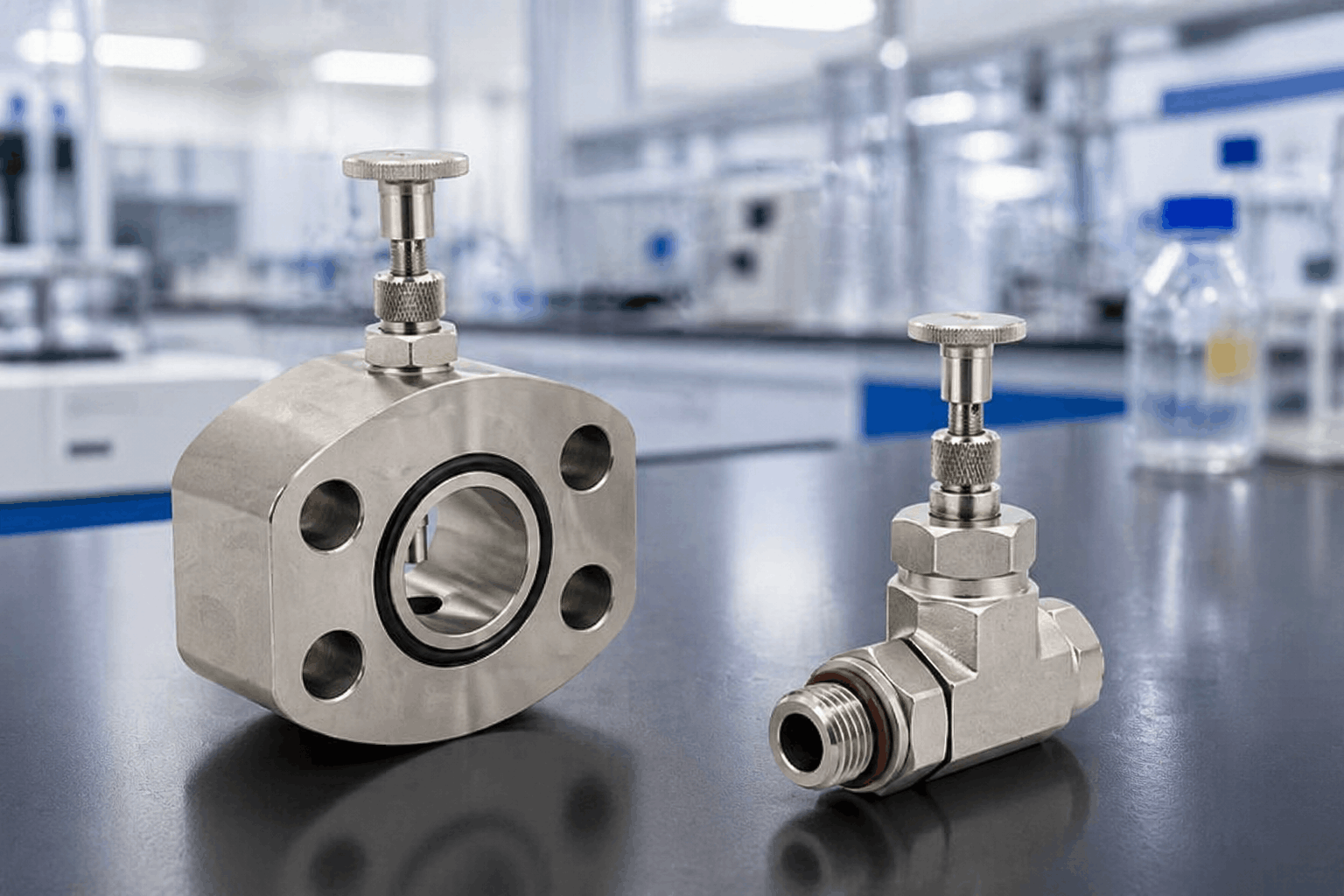
Most industrial setups rely on pressure tube sampling ports, particularly in chemical facilities, energy production, and air or water tracking. From inside sealed systems, workers pull samples carefully while everything keeps running. Mistakes when using them might cause leaks, dirty readings, or harm to personnel. Knowing exactly how they should be handled makes all the difference – safety stays high, work moves smoothly.
What Is a Pressure Tube Sampling Port?
Inside pipelines or tanks built for heavy-duty work, one spot lets workers pull out test samples safely. This opening withstands intense heat along with strong internal force without leaking or failing. Built tough, it keeps everything sealed tight, even under extreme stress during sample collection.
Why Safety Is Important
Out in the field, taking samples from pressurized setups can go wrong fast – fluids might escape, toxins could spread, or sudden bursts may happen. Staying safe means sticking to tested steps, which guard workers and keep gear intact
Key Pressure Tube Sampling Port Safety Precautions
Before using a pressure tube sampling ports, always follow these essential precautions:
Step-by-Step Safe Usage Process
1. Preparation
Start by checking the sampling port along with nearby surfaces. Every tool must be free of debris while working properly. Look closely at each part near the access point first. Only when everything appears tidy should testing proceed. Equipment checks come before any sample collection begins.
2. Depressurization (if required)
Open the port only after lowering the pressure to something manageable, based on what setup is in place.
3. Controlled Sampling
Start by turning the valve of the pressure tube sampling port just a bit at a time so pressure does not spike. A suitable vessel should hold the sample once it flows.
4. Secure Closure
Once you take the sample, shut the valve all the way – then look for drips. A tight seal matters most right after collection.
5. Label and Store
Properly label the sample with relevant details and store it safely for analysis.
Common Mistakes to Avoid
- Opening the port too quickly
- Ignoring safety gear
- Using unclean or incompatible containers
- Skipping inspection before sampling
- Not following proper documentation procedures
Maintenance and Inspection
Regular maintenance of the sampling port is crucial for safe operation.
- Inspect seals and valves periodically
- Clean the port to prevent contamination
- Replace worn-out components promptly
- Conduct routine safety audits
Role of Srilekha Bio Enviro Tech
From the start, Srilekha Bio Enviro Tech builds smart ways to handle sample collection in heavy-duty settings. Because of their deep know-how, factories keep workers safer while running more smoothly day by day.
They focus on:
- Reliable and safe sampling system designs
- Compliance with environmental and safety regulations
- Advanced monitoring and maintenance solutions
- Sustainable and efficient industrial practices
Conclusion
Start carefully when handling a pressure tube sampling port – it shapes how trustworthy your data turns out. Following the correct steps matters; also, picking suitable tools makes a difference over time. Regular upkeep of the setup keeps things running smoothly while lowering danger unexpectedly. Good habits here support steady performance without surprises down the line.
Start by upgrading how you handle safety and sample work in the industry. Work alongside Srilekha Bio Enviro Tech when solid answers matter. Their tools fit what you actually do – smart fixes that last. Move ahead, one steady choice at a time.