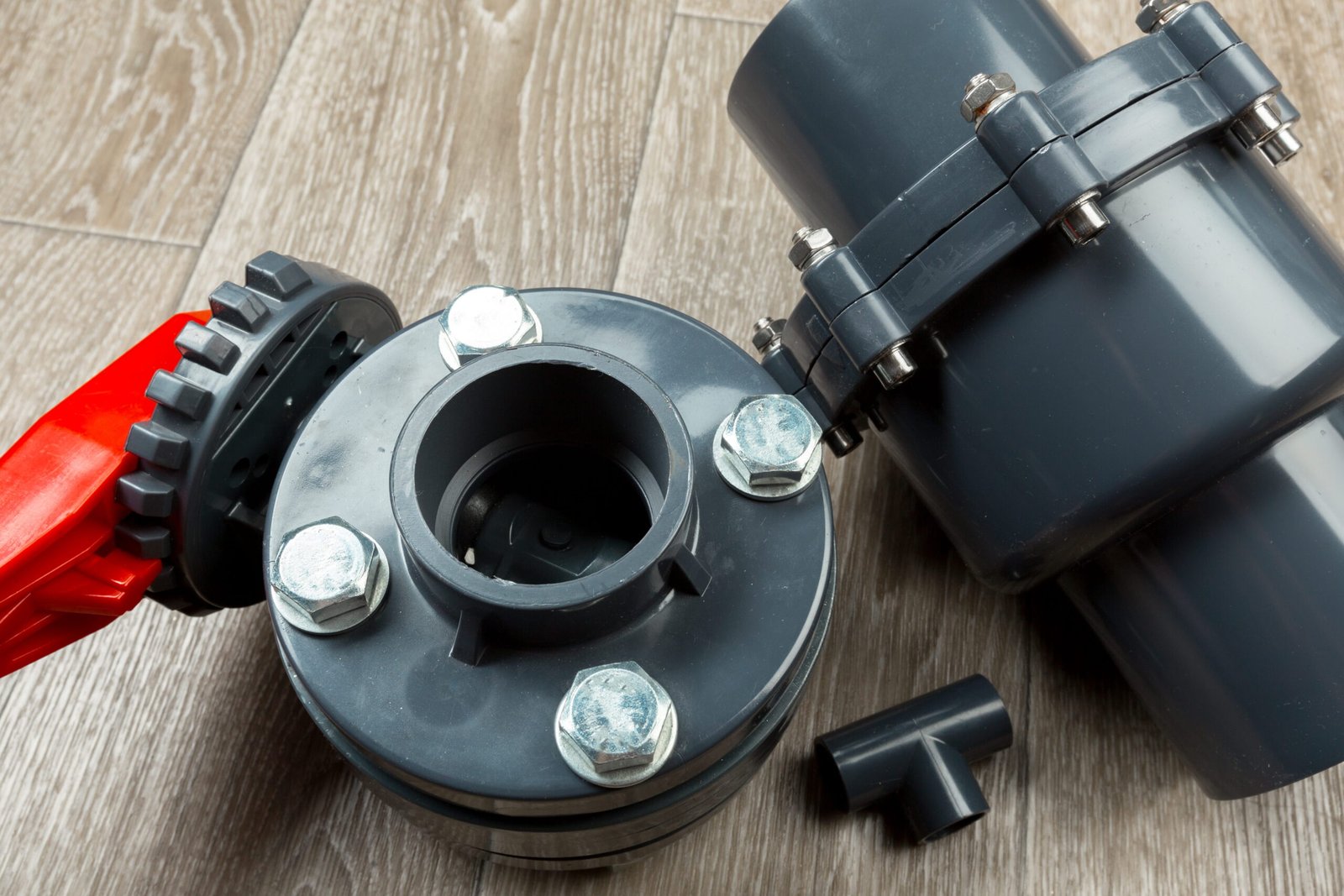
The selection of materials for pressure tube plunger valves determines their operational life, efficiency, and safe operation capabilities. Since the equipment operates in high-pressure and harsh environments, the material needs excellent resistance to heat, corrosion, and wear. The right choice boosts efficiency and lowers long-term maintenance expenses.
Why Material Selection Matters
The industries that use pressure tube plunger valves include water treatment, oil and gas, and chemical processing. Lack of good material selection may cause leakage, damage, or even failure of the system in such environments.
Important factors to consider:
- Pressure and temperature of operation.
- Type of fluid (clean, corrosive, or abrasive)
- Durability and strength requirements.
- Environmental exposure conditions
- Cost and maintenance needs
Common Materials Used in Plunger Valves
1. Stainless Steel
Stainless steel is widely used due to its strength and corrosion resistance.
Benefits:
- Excellent resistance to rust and chemicals
- Great resistance to pressure.
- Appropriate for water, steam, and chemical applications.
Grades like 304 and 316 are common, with 316 offering better corrosion resistance.
2. Carbon Steel
Carbon steel is a strong and cost-effective option for industrial use.
Advantages:
- Less expensive than stainless steel.
- Applicable to oil, gas, and non-corrosive fluids.
- It might need protective finishes to keep it rust-free.
It may require protective coatings to prevent rust.
3. Brass and Bronze
These materials can be used in low to medium-pressure systems, particularly in water.
Key features:
- Excellent resistance to corrosion in water.
- Easy to install and machine
- Small system affordable.
They should not be used in high-pressure or very corrosive environments.
4. Alloy Steel
Why it’s used:
- Strong and resistant to heat.
- Appropriate for a harsh industrial environment.
- Extended stress service life.
5. Plastic and Composite Materials
Engineers use engineered plastics or composites for specialty applications of modern valves.
Advantages:
- Chemically and corrosion resistant.
- Lightweight and cost-effective
- Perfect for working with aggressive fluids.
But they cannot be used in very high-pressure systems.
How to Choose the Right Material
The type of material to use will depend on your work and the conditions under which you work.
Consider these points:
- Type of fluid and its chemical properties
- Temperature and pressure.
- Minimum life of the valve.
- Frequency and cost of maintenance.
- Standards and compliance in industries.
Key Takeaways
- Stainless steel is best for corrosion resistance and versatility
- Carbon steel is strong and cheaper.
- Low-pressure water systems can be provided with brass and bronze.
- Alloy steel can withstand severe industrial environments.
- Composites and plastics can be used in a chemical environment.
Conclusion
The work of a pressure tube plunge valve to a great extent is determined by the material. When you choose the right material according to the requirements of your system, you will be able to maintain efficiency, safety, and long-term reliability.
Get Expert Solutions Today
To achieve engineering solutions of high quality and trusted valve systems, Srilekha Bio Enviro Tech provides trusted expertise and advanced technology.
👉 Call Srilekha Bio Enviro Tech and get the ideal solution to the pressure system you require!