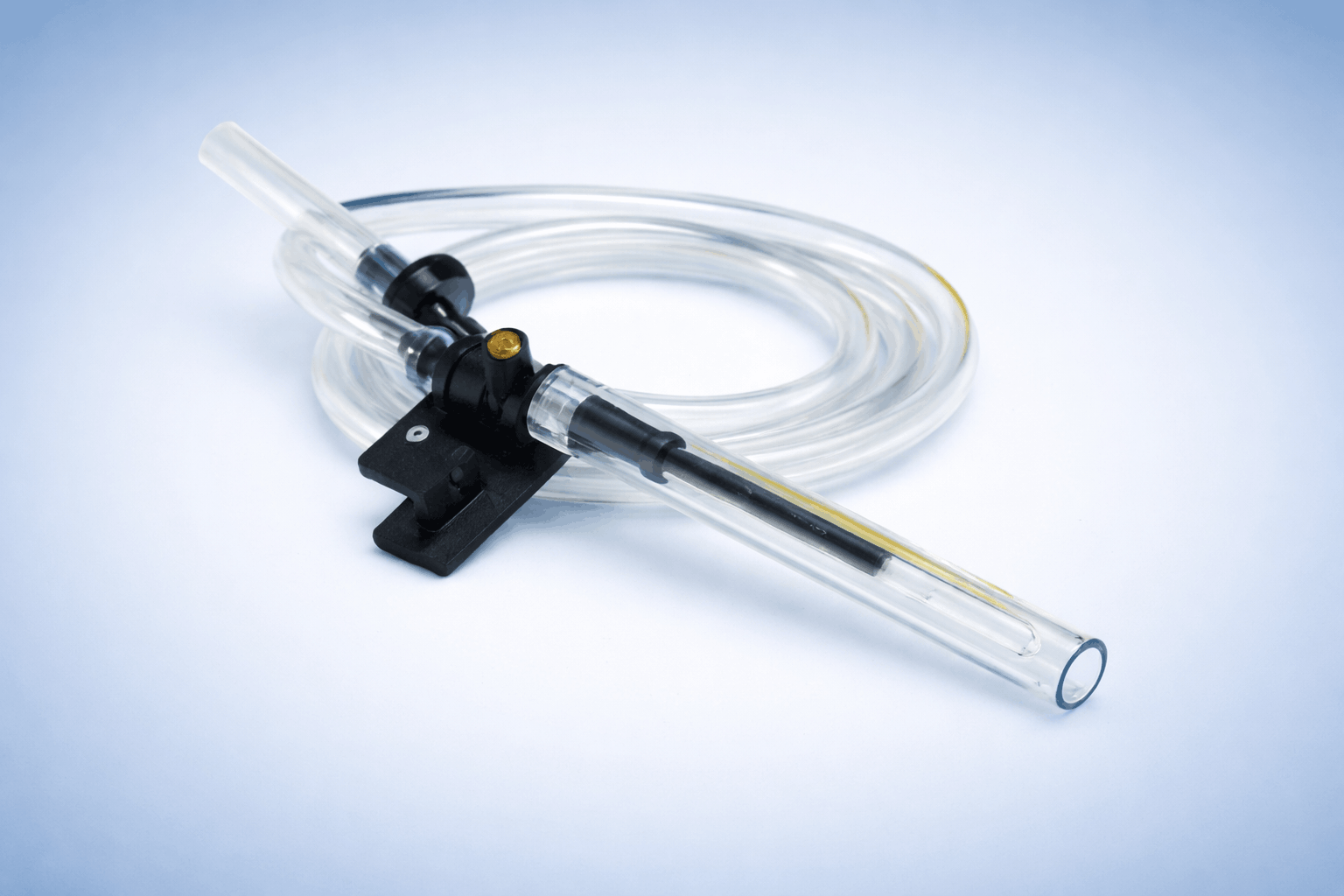
Industries use pressure tube sampling ports to collect samples safely and accurately from pipelines, reactors, or pressure vessels within industrial systems. These ports enable the technicians to receive fluid, gas, and chemical samples without derailing the system operation. Proper maintenance of a pressure tube sampling port ensures equipment safety, accurate sample collection, and long-term system functionality.
Unless maintained, sampling ports can clog, corrode, or be damaged, leading to inaccurate readings, contamination, or even hazardous leaks. A proper maintenance schedule would help ensure operational efficiency and compliance with safety regulations in industrial settings.
Importance of Maintaining Pressure Tube Sampling Ports
Industries that use pressure tube sampling ports include chemical processing, environmental monitoring, water treatment, and pharmaceutical manufacturing. Because these systems often operate under high stress and handle delicate materials, industries strongly demand regular maintenance for them.
Proper maintenance helps to:
- Provide correct and clean samples.
- Stop leaks and loss of pressure in pipelines.
- Increase the life cycle of the sampling equipment.
- Ensure system safety and reliability.
- Minimize downtime and maintenance expenses.
Sampling ports can be safe and efficient in the long run when maintenance is carried out on a regular basis.
Regular Inspection of Sampling Ports
The first step in maintaining a pressure tube sampling port is to perform a routine inspection. The port and surrounding connections should be physically inspected by operators to ensure they are not damaged or worn.
During inspection, technicians should check for:
- Fissures or ruston the surface of the port.
- Indeterminate fittings or connections.
- Occlusions within the sampling tube.
- Leakage peri-valves or peri-seals.
- Adequate sampling system orientation.
Regular check-ins help prevent minor issues from escalating into major operational problems.
Cleaning and Preventing Blockages
Over time, deposits, residue, or particles may accumulate within the sampling port, particularly in systems handling chemicals, wastewater, or industrial fluids. These obstructions have the potential of disrupting proper sampling.
Cleaning is to be performed on a periodic basis to maintain proper functionality. Cleaning procedures can include flushing the port with appropriate cleaning agents, clearing, and sanitising internal passageways.
Key cleaning practices include:
- Rinsing the sampling tube frequently.
- Cleaning off with matching cleaning agents.
- It is best to avoid the abrasive tools that can harm the port.
- Before cleaning, it is important to ensure that the system is not pressurized.
Cleaning is essential in ensuring that nothing gets stuck and also to avoid any contamination during the sampling process.
Checking Seals and Valves
A pressure tube sampling port has important parts like seals and valves. These components help release samples and stop leaks when the system is under pressure. If these parts become worn or damaged, the sampling port may become unsafe.
Maintenance teams should regularly examine:
- Sealing parts and O-rings.
- Valve functioning and reactiveness.
- Fittings and connectors should be tight.
- Evidence of the loss of pressure on sampling.
The safety and reliability of the sampling system are ensured by promptly replacing damaged seals and valves.
Calibration and Testing
Another factor to consider during maintenance is the functionality of the sampling port. Technicians can perform periodic testing and calibration to ensure the system collects samples correctly and maintains proper pressure.
Maintenance teams often conduct performance tests to confirm:
- Accurate sample extraction
- Proper pressure control
- None of the collected samples was contaminated.
- Effective operation of the sampling mechanism.
These checks can be used to ensure the consistency of sampling to be analyzed by a laboratory or to monitor the environment.
Safety Practices During Maintenance
In dealing with pressure systems, safety must always come first. To prevent accidents, maintenance personnel should follow the established process.
Important safety practices include:
- Pre-maintenance depressurizing.
- The use of the right protective gear.
- Adhering to the instructions of a manufacturer.
- Replacement parts shall be certified.
These measures safeguard people and machines during maintenance.
Reliable Sampling Solutions
Maintaining a pressure tube sampling port may require equipment and professional skills, as well as periodic inspection. Environmental and industrial sampling systems companies offer effective solutions for the management of high-quality sampling processes.
Srilekhabioenvirotech is a reliable company that provides state-of-the-art environmental monitoring and sampling. The company offers high-quality pressure tube sampling systems, maintenance services, and technical expertise to conduct sampling operations with precision and safety across various industries.