A system of pressure tube-plunger type valve is an important component of the fluid flow and pressure regulation in the industry. A high-quality design means that it is easy to operate, less leaks, and has a long life. This can be done by a mixture of the correct choice of material, precision engineering, and performance optimization.
Working Principle of a Plunger Valve System
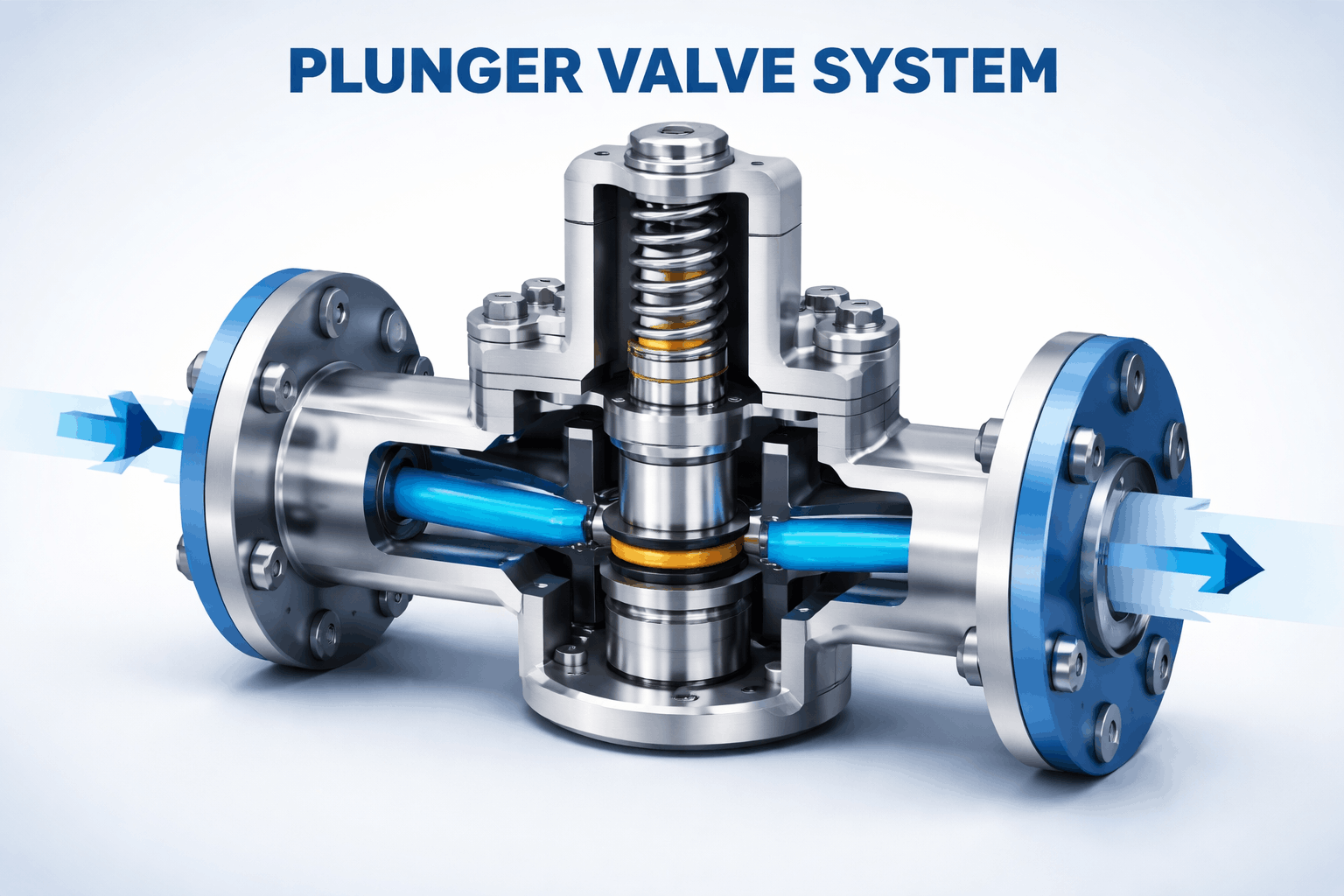
The mechanism operates in the form of the movement of a plunger within a pressure pipe. Due to a variation in fluid pressure, the plunger moves to control flow. It is a straightforward mechanism that requires an effective design to ensure that there is accuracy and efficiency with varying operating conditions.
Key Design Factors
Material Selection:
The selection of materials is critical in terms of durability and performance. Ensure substances resist corrosion, withstand high pressure, and endure temperature changes. Use stainless steel for strength and resistance, and consider specialized polymers for chemical compatibility.
Precision and Tolerances:
The effectiveness of the valve is subject to accurate dimensions. Maintain proper clearance between the tube and the plunger—narrow gaps can cause excessive friction, while loose gaps can lead to leaks. Manufacture components with high precision to ensure steady and dependable operation.
Sealing Mechanism:
An effective sealing system is one that does not allow fluid loss and stabilizes the pressure. Leveraging the right sealing, like O-rings or gaskets, would be beneficial in making sure of leak-resistance performance and durability.
Performance Optimization:
To enhance performance, the valve should run smoothly, and it should be responsive to changes in pressure. Minimize friction by ensuring the surface is well finished and by designing the plunger for optimal performance. Enhance responsiveness and control in certain instances by using additional mechanisms, such as springs.
Key Considerations
- Choose the materials according to the work conditions.
- Keep a correct level of tolerances in order to be efficient.
- Wooden should be sealed to eliminate leaking.
- Maintenance and Reliability.
Design the system to be efficient and easy to maintain. Expose parts for inspection and replacement to minimize downtime and extend the system’s lifespan.
Testing and Validation
Test the valve system before fully utilizing it. This assists in detecting leakage, instability of pressure, or wear.
Conclusion
The design of a pressure tube-plunger valve system must go to detail, including the choice of material and even precision engineering. An effective system will enhance performance, minimize maintenance requirement and long term reliability.
Need to improve the performance of your valve system? Contact professionals now and introduce effective and trustworthy measures that can meet your demands. To have expert help and sophisticated solutions to design and environmental technologies of valve systems, visit: